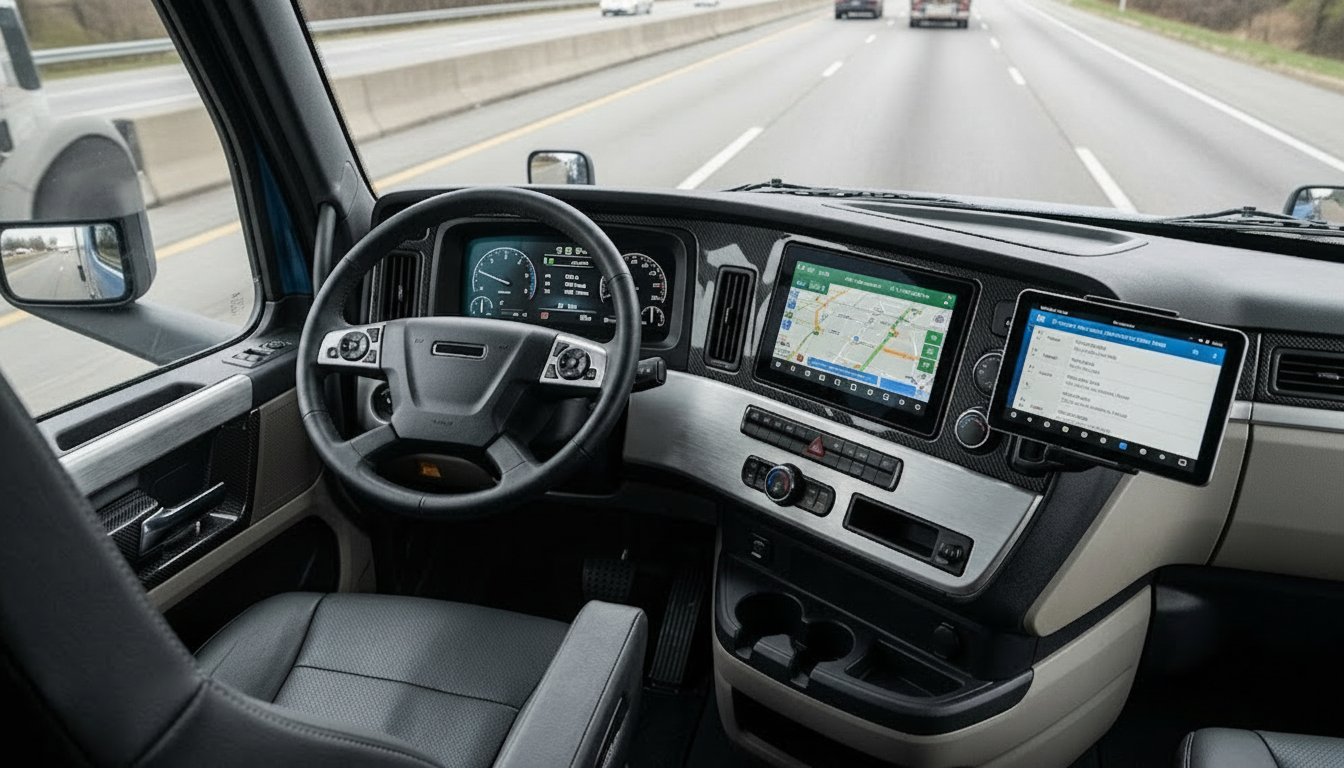
ELD Mandate Compliance: Best Electronic Logging Devices for Fleets
· Michael R. Holt
Navigate FMCSA ELD mandate compliance. Discover how modern electronic logging devices, telematics, and AI dashcams streamline operations and reduce insurance premiums.
Since the full enforcement of the FMCSA’s Electronic Logging Device (ELD) mandate, the landscape of commercial trucking has fundamentally shifted. The days of paper logs are gone, replaced by strict digital oversight governed by 49 CFR Part 395.
For fleet managers, selecting the right ELD is no longer just about avoiding DOT fines; it is about choosing a telematics ecosystem that optimizes dispatching, ensures HOS (Hours of Service) compliance, and integrates with AI-driven safety hardware.
The Core Requirements of an FMCSA-Compliant ELD
Not all GPS trackers qualify as ELDs. To be legally compliant in the United States, the device must be self-certified by the manufacturer and registered on the FMCSA’s approved list.
At a minimum, a compliant ELD must:
- Connect directly to the truck’s engine module (ECM) to automatically record motion status, engine hours, and mileage.
- Allow the driver to log in and select duty statuses (Off Duty, Sleeper Berth, Driving, On Duty Not Driving).
- Provide a standardized data transfer method (via Web Services or Email) for DOT officers during roadside inspections.
- Automatically default to “Driving” status when the commercial motor vehicle moves at speeds exceeding 5 mph.
Beyond Basic Logging: Telematics and AI Dashcams
The best enterprise-grade ELD solutions on the market — such as those offered by leading SaaS providers — go far beyond basic HOS compliance. They serve as the central hub for fleet telematics.
1. AI-Powered Video Telematics
Modern ELDs seamlessly integrate with inward and outward-facing AI dashcams. Using edge computing, these cameras process visual data in real-time, detecting unsafe behaviors like smartphone usage, distracted driving, or following too closely. This data is instantly transmitted to the fleet manager’s dashboard, allowing for proactive driver coaching before a catastrophic accident occurs.
2. Predictive Maintenance
By pulling diagnostic trouble codes (DTCs) directly from the engine, advanced ELDs alert maintenance departments to mechanical issues — such as failing air brakes or engine faults — long before they lead to an Out-Of-Service (OOS) violation during a DOT inspection.
3. IFTA Automation
Tracking mileage per state for the International Fuel Tax Agreement (IFTA) used to be an administrative nightmare. Top-tier ELDs automate this reporting by pairing GPS tracking with engine odometer readings, generating audit-proof IFTA reports with a single click.
The ROI of Advanced Telematics
While adopting a premium ELD system requires an initial hardware investment and a monthly SaaS subscription, the Return on Investment (ROI) is undeniable. Commercial auto insurance providers actively offer significant premium discounts to fleets that utilize hardwired ELDs paired with AI dashcams, as the technology drastically reduces the carrier’s overall liability profile.