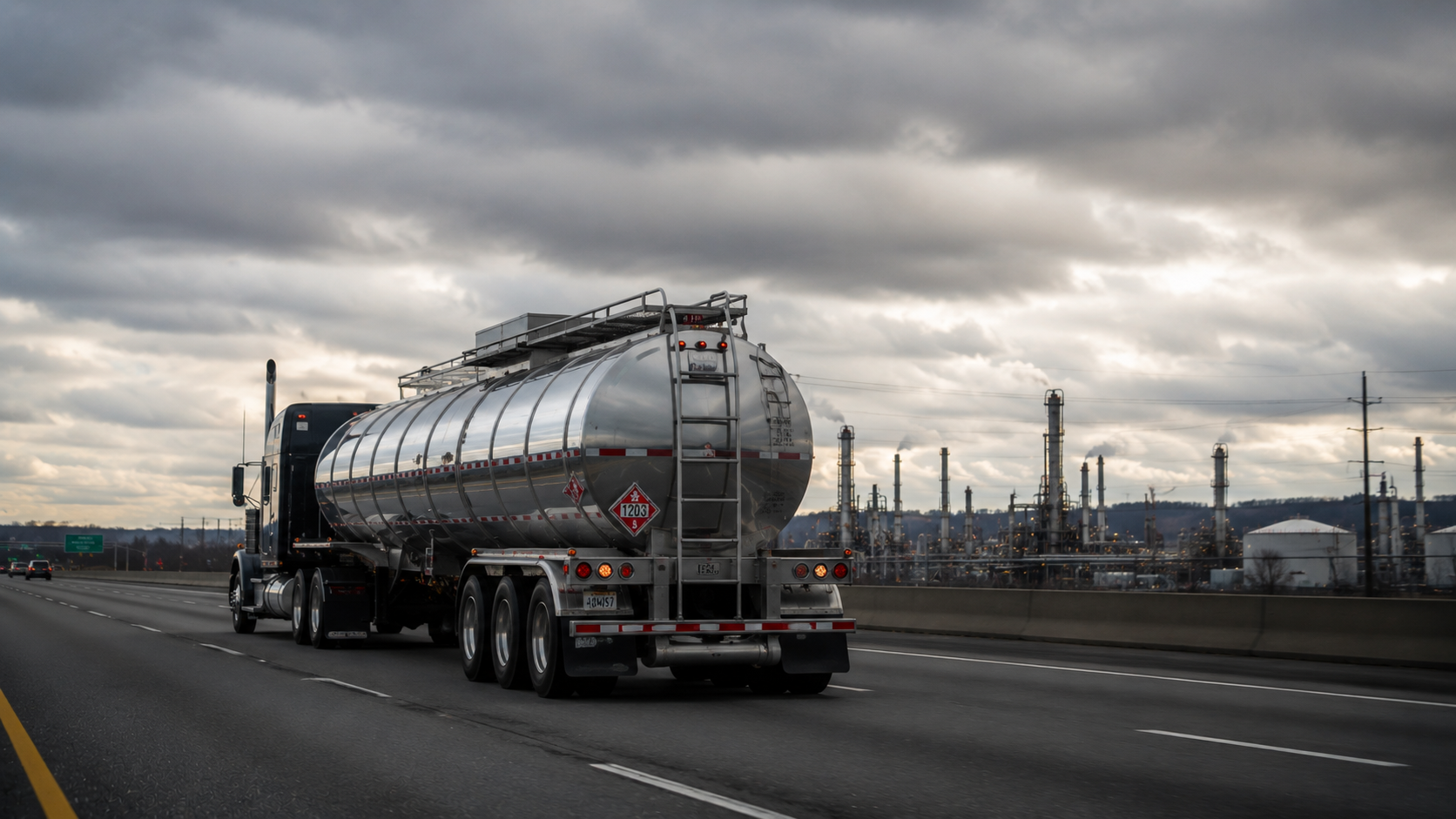
HAZMAT Route Planning: FMCSA Restrictive Tunnels and Highway Bans
· Michael R. Holt
Navigate FMCSA hazardous materials routing regulations. Learn how to plan legal routes around restricted tunnels and avoid devastating DOT routing violations.
HAZMAT Route Planning: FMCSA Restrictive Tunnels and Highway Bans
Properly identifying and labeling a chemical payload is only the first step in hazardous materials transportation. Once the correct DOT placards are applied to the trailer, the legal operational limits of that commercial motor vehicle change drastically.
Under FMCSA and Pipeline and Hazardous Materials Safety Administration (PHMSA) regulations, a hazmat-placarded vehicle cannot simply rely on standard commercial GPS routing. Drivers and dispatchers must meticulously navigate a complex web of state and federal highway bans, restricted tunnels, and mandatory bypasses.
The National Hazardous Materials Route Registry (NHMRR)
The FMCSA maintains the National Hazardous Materials Route Registry (NHMRR). This federal database lists all designated, preferred, and restricted routes across all 50 states.
It is the motor carrier’s legal responsibility to ensure that their dispatch software integrates current NHMRR data. Routing a hazmat-loaded truck through a restricted residential area or a prohibited downtown corridor will result in immediate DOT intervention, severe fines, and potential revocation of your hazmat safety permit.
Strict Tunnel and Bridge Bans
Tunnels represent the most catastrophic risk scenarios for hazmat transport. A fire or chemical spill in a confined space with limited ventilation and egress can result in mass casualties. Consequently, strict federal and local bans are enforced at major infrastructure points.
If your vehicle requires DOT placarding for explosives, flammable liquids, or toxic inhalation hazards, you must actively plan routes around restricted infrastructure. Notable examples include:
- The Eisenhower Tunnel (Colorado): Vehicles carrying hazardous materials are strictly prohibited from passing through the Eisenhower Tunnel on I-70 and must use Loveland Pass (US 6) instead.
- The Baltimore Harbor and Fort McHenry Tunnels (Maryland): Vehicles carrying any hazardous materials requiring placards are prohibited.
- New York/New Jersey Crossings: The Port Authority enforces severe restrictions on hazmat transport through the Holland and Lincoln Tunnels, as well as the lower level of the George Washington Bridge.
The Role of DOT Placarding in Route Enforcement
Highway patrol units and automated DOT weigh stations use your trailer’s placards as the primary trigger for route enforcement.
If a commercial vehicle approaches a restricted tunnel displaying a Class 3 (Flammable Liquid) or Class 2.3 (Poison Gas) placard, law enforcement will intercept the vehicle before entry. Claiming that the driver “followed the GPS” is not a valid legal defense. The violation falls directly on the motor carrier for failing to provide adequate route planning.
Best Practices for Hazmat Dispatchers
To protect your fleet from routing violations:
- Invest in Hazmat-Specific Routing Software: Standard commercial mapping tools are insufficient. Use software that explicitly accounts for active NHMRR restrictions based on the specific UN number and hazard class of the load.
- Pre-Trip Driver Briefings: Drivers should never discover a route restriction while on the highway. Dispatchers must provide a legally cleared, turn-by-turn itinerary before the truck leaves the terminal.
- Monitor State-Level Changes: States frequently impose temporary routing restrictions during construction projects or major public events.
Mastering route compliance is only effective if your initial load securement and identification are flawless. Ensure your fleet’s baseline compliance is bulletproof by reviewing our comprehensive guide: Hazmat Placard Requirements: A Complete DOT Guide.