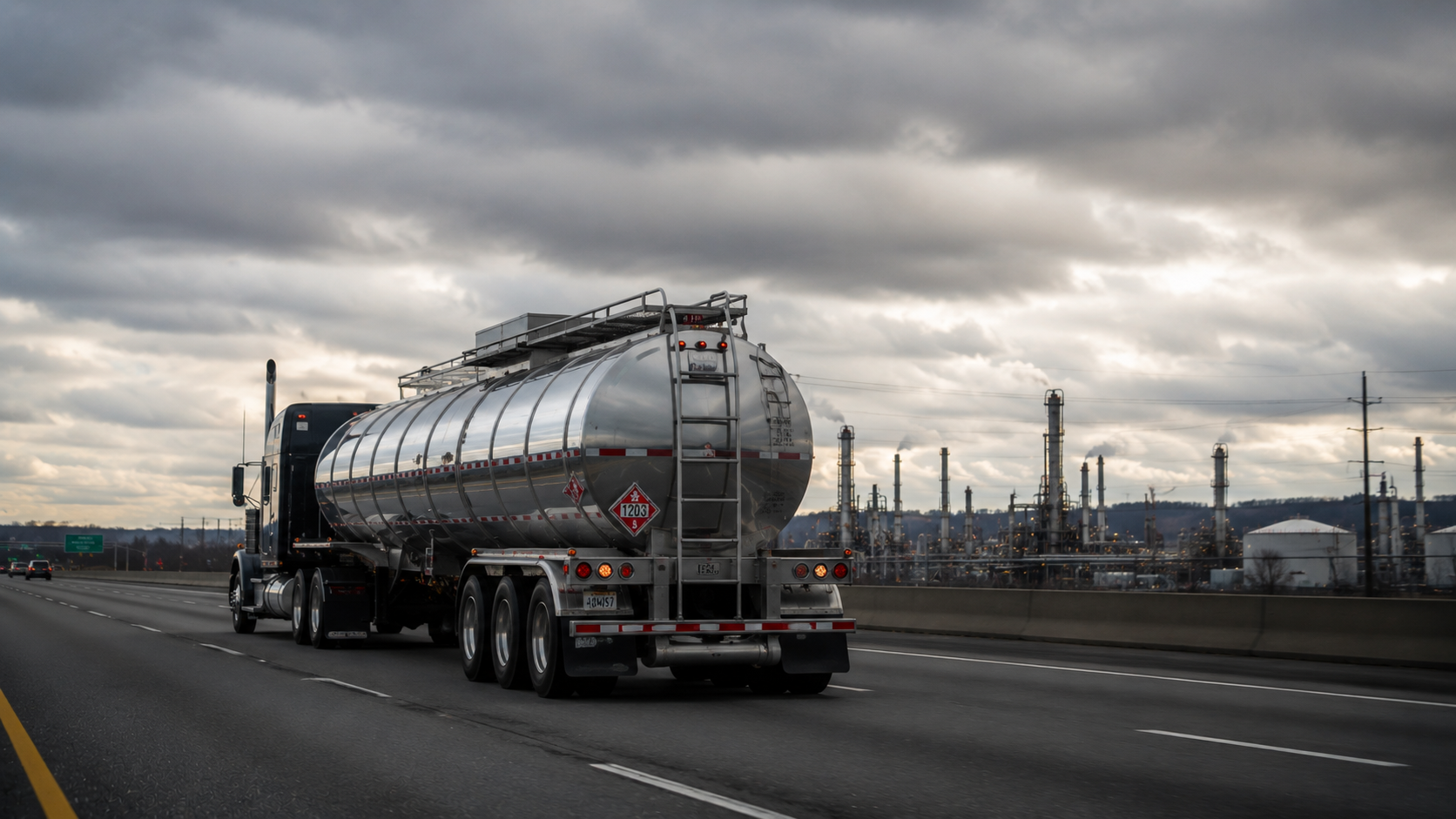
Hazmat Placard Requirements: A Complete DOT Guide for Interstate Routes
· Michael R. Holt
Master DOT 49 CFR placard regulations for commercial trucking. Learn how proper dangerous goods panels prevent fines and reduce chemical transport liability.
Navigating the transportation of hazardous materials across US interstate routes requires absolute precision. For motor carriers, a simple error in displaying dangerous goods panels is not merely an administrative oversight; it is a direct violation of the Department of Transportation (DOT) and the Pipeline and Hazardous Materials Safety Administration (PHMSA) regulations, leading to catastrophic fines and immediate Out-Of-Service (OOS) orders.
This guide details the strict federal standards for hazmat placarding to ensure your fleet remains compliant and your high-risk cargo keeps moving.
The Regulatory Framework: DOT 49 CFR Part 172
The core of US hazardous materials regulation is found in Title 49 of the Code of Federal Regulations (CFR). Specifically, Subpart F of Part 172 dictates exactly how, when, and where dangerous goods panels must be displayed on commercial vehicles and intermodal containers.
Table 1 vs. Table 2 Materials
The DOT classifies hazardous materials into two distinct categories, which determine placarding requirements:
- Table 1 Materials: These are high-consequence materials, including explosives, poison gases, and radioactive substances. Rule: Vehicles carrying any amount of Table 1 materials must be placarded.
- Table 2 Materials: These include flammables, corrosives, and oxidizers. Rule: Vehicles require placards only if the aggregate gross weight of the hazmat cargo is 1,001 pounds or more.
Technical Specifications for Dangerous Goods Panels
A hazmat placard is not a simple sticker; it is a highly regulated safety communication tool designed for emergency responders.
Size and Durability Standards
- Dimensions: Each placard must measure at least 250 mm (9.84 inches) on each side, forming a square set on a point (diamond shape).
- Visibility: The hazard class number must be displayed in the lower corner of the diamond. The text indicating the hazard (e.g., “FLAMMABLE”) must be written in English.
- Placement: Placards must be placed on all four sides of the commercial motor vehicle, freight container, or intermodal tank. They must be clearly visible from the direction they face, unobstructed by ladders, pipes, or tarpaulins.
Best Practices for Intermodal Chemical Transport
When dealing with complex logistics, such as transferring chemical tanks from rail to road networks, maintaining placard integrity is critical. Elite operators in intermodal logistics manage this by treating dangerous goods panels as critical infrastructure rather than disposable labels. Ensure that all metal placard holders on your chassis and tanks are free of rust and that the panels themselves resist fading under UV exposure. A degraded panel is legally equivalent to a missing panel during a DOT roadside inspection.
Mitigating Liability and Insurance Risks
Failure to comply with placarding requirements directly impacts your corporate liability. In the event of a collision involving chemical transport, missing or incorrect placards will be cited by plaintiffs’ attorneys as gross negligence, significantly increasing the risk of a nuclear verdict.
Furthermore, commercial insurance providers conduct rigorous safety audits. Fleets with repeated DOT placarding violations will face astronomical premium hikes or outright policy cancellations.
Risk Management Action: Train your drivers to conduct daily pre-trip inspections specifically focused on placard condition. Document these inspections rigorously.
For more information on protecting your fleet’s financial assets when hauling high-risk freight, review our guide on Chemical Transport Insurance: Excess Liability Limits.