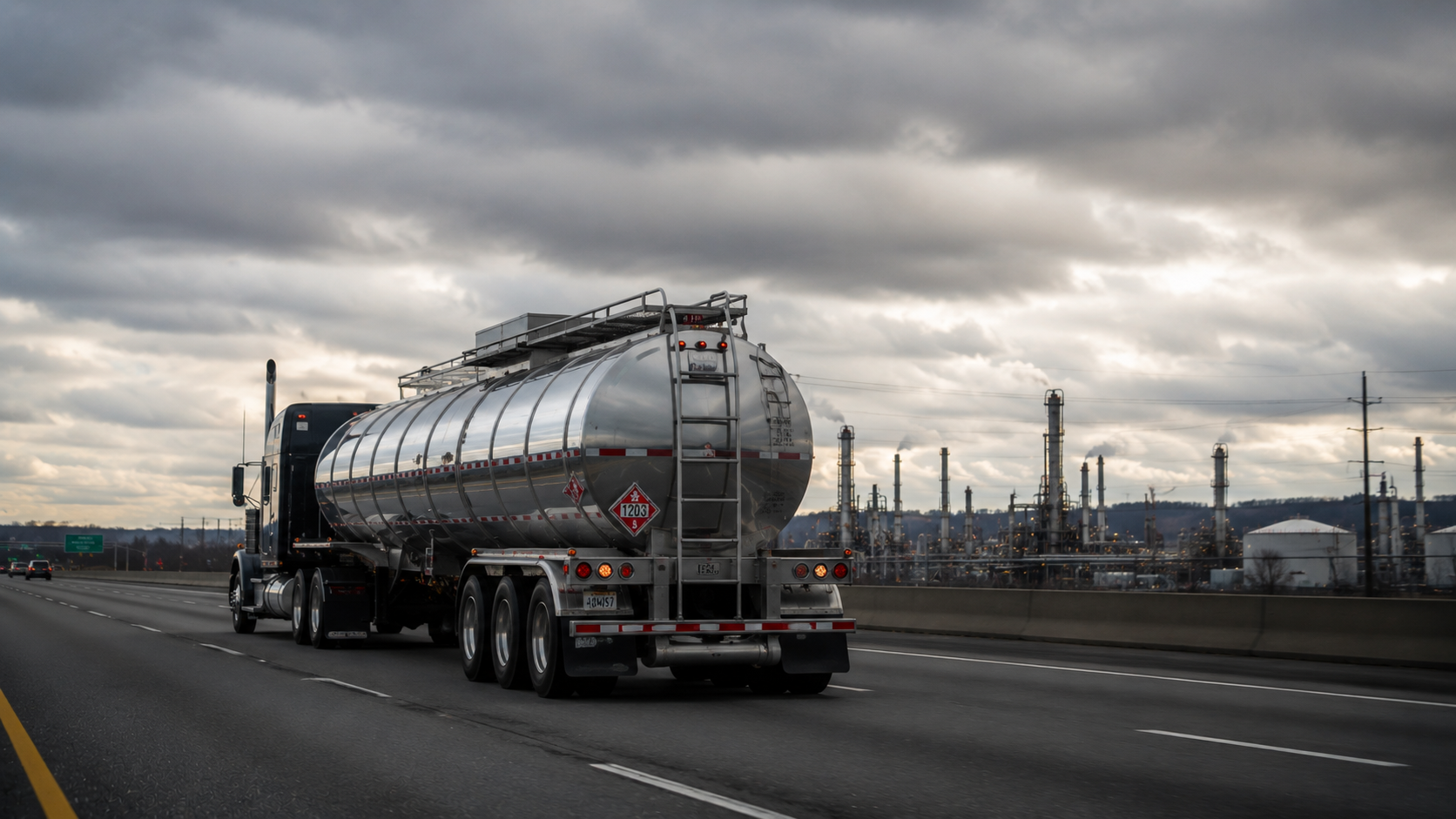
Chemical Transport Insurance: Excess Liability Limits for High-Risk Freight
· Michael R. Holt
Navigate chemical transport insurance requirements for hazmat carriers. Understand DOT financial responsibility limits and environmental restitution.
Transporting hazardous chemicals across US interstates is one of the most heavily regulated — and financially risky — operations in the logistics sector. For carriers handling bulk chemicals, flammables, or toxic-by-inhalation (TIH) materials, the financial stakes of a rollover or collision are exponential.
Standard commercial auto liability is insufficient. Hauling high-risk freight requires specialized chemical transport insurance, focusing heavily on environmental restitution and massive excess liability layers.
DOT Financial Responsibility Minimums (The MCS-90 Endorsement)
The FMCSA mandates that motor carriers hauling hazardous materials maintain specific levels of financial responsibility, verified through the MCS-90 endorsement attached to the carrier’s auto liability policy. This document guarantees that the public and the environment are protected in the event of an at-fault incident.
The legal minimums depend strictly on the hazard class and the volume of the cargo:
- $1,000,000 Limit: Required for transporting hazardous waste, hazardous substances, or marine pollutants in non-bulk packaging.
- $5,000,000 Limit: Required for transporting hazardous materials in bulk (cargo tanks, portable tanks) with capacities over 3,500 water gallons. This maximum tier also applies to any quantity of Table 1 materials, such as Division 1.1 explosives, poison gas, or radioactive materials.
The Reality of Environmental Clean-Up Costs
A $5 million primary liability policy might seem substantial, but in chemical transport, it is merely the starting point. When a tanker breaches and spills corrosive liquids or toxic chemicals into a waterway or across a major highway, the resulting costs are staggering.
Your insurance structure must account for:
- Emergency Hazmat Response: Specialized teams equipped to contain and neutralize chemical spills bill at exorbitant hourly rates.
- Environmental Remediation: The EPA or state environmental agencies will require complete soil excavation, groundwater testing, and long-term ecological monitoring.
- Third-Party Bodily Injury: Toxic plumes can lead to mass evacuations and class-action lawsuits for respiratory damage among the local population.
Structuring the Insurance Tower
To safely operate in the chemical transport sector without risking corporate liquidation, elite hazmat carriers build an “insurance tower.”
1. Primary Auto Liability
The foundational layer, typically meeting the $5 million DOT requirement.
2. Commercial General Liability (CGL) with Pollution Endorsements
A standard CGL policy explicitly excludes pollution events. Hazmat carriers must secure a Broad Form Pollution coverage endorsement or a standalone Contractors Pollution Liability (CPL) policy specifically designed to cover in-transit spills and site remediation.
3. High-Limit Umbrella Policies
Given the astronomical costs of environmental cleanup and potential nuclear verdicts, large chemical logistics operators secure Umbrella Policies providing $20 million to $50 million in excess coverage above their primary limits.
Securing these policies requires presenting underwriters with an immaculate safety record, rigorous driver hazmat training (HME endorsement verification), and flawless compliance with DOT placard regulations.